Comprehending The Link Between Urinary Incontinence And Menopause: Westover Hillsides Ladies's Wellness: Obgyns
Exactly How Estrogen Loss Influences Urinary System Feature Wwmg Blog
Bladder problems prevail amongst perimenopausal females and it may aggravate their lifestyle, yet it does not need to. This is due to the fact that reproductive wellness occasions special to ladies, like pregnancy, childbirth, and menopause, influence the bladder, urethra, and various other muscles that sustain these body organs. Some ladies may experience a second type of incontinence called desire incontinence or overactive bladder (OAB). This type can be triggered by a boost in bladder level of sensitivity triggered, once again, by reduced estrogen levels. Our providers work carefully with each person to create a personalized treatment strategy that enhances bladder control and total quality of life. A pessary is one of the most commonly made use of tool for the treatment of stress and anxiety incontinence.Pelvic body organ prolapse (such as dropped bladder, uterine prolapse, or rectocele) can contribute to urinary incontinence. Incorporating targeted exercises can help boost symptoms, particularly when done continually and properly. Vaginal degeneration passes several names, consisting of genitourinary disorder of menopause and atrophic vaginitis. Despite the name, vaginal degeneration takes place when the walls of the vagina become slim, completely dry, and inflamed. Your physician may recommend a variety of different therapy options relying on the intensity of your condition, and what type of incontinence you have.

But as these medications have actually expanded in popularity, people have turned to social networks to review ... Luckily, you can do plenty in your home to help support hormone levels and make perimenopause a little easier on your body. Hormonal adjustments can occur during life occasions such as the age of puberty, pregnancy, menstruation, and menopause.
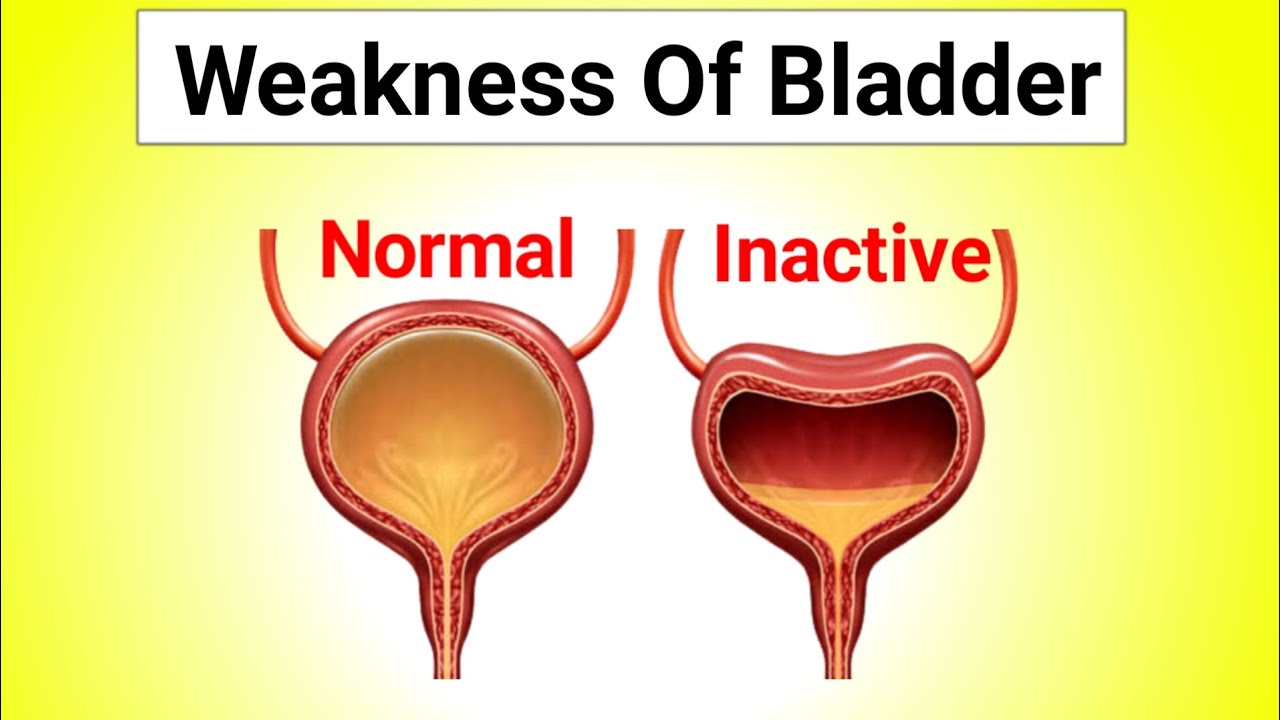
Estrogen also plays a rather big role in urinary system wellness and function. Urinary system urinary incontinence can manifest in various forms during menopause, including anxiety urinary system incontinence, necessity urinary system incontinence, or blended urinary incontinence as the most typical. Reducing estrogen levels are responsible for basically every one of those not-so-fun perimenopause and postmenopause signs and symptoms-- including modifications to our bladder. In menopause, females's ovaries stop creating estrogen, therefore compromising their body's natural defenses versus UTIs. Urinary system urinary incontinence, or spontaneous bladder leak, is a trouble that impacts millions of Americans. While it may take place to any individual, this type of urinary incontinence is most usual in older grownups, and females are most likely to experience it than males.
- However changes in urinary tract function that often feature aging, such as urinary incontinence and urinary system infections, do not have to be.
- The cause of perimenopause is the subsiding of ovarian feature and your ovaries generating less estrogen and testosterone.
- Across studies, the mean age of menopause varies, with some studies reporting averages around 48 to 50 years.
- It should be carefully talked about with a healthcare provider, specifically for those with a history of hormone-sensitive conditions.
Typical Reasons For Women The Inability To Conceive
Additionally, age-related adjustments in testosterone and dihydrotestosterone (DHT) straight add to Benign Prostatic Hyperplasia (BPH), typically known as a bigger prostate. This restricts regular urinary circulation, triggers an irritating feeling of insufficient draining, and causes constant nighttime journeys to the restroom. If bladder concerns are influencing your every day life, our professionals can aid you check out effective, non-surgical choices. The very best prevention for genital atrophy is in fact regular intercourse, either with or without a companion. Sex increases blood flow to the vaginal area and assists keep the vaginal walls healthy and balanced.Get Help For Menopause And Urinary Incontinence
While this transition causes a number of hormonal changes and symptoms, one lesser-discussed problem that influences many females during menopause is urinary incontinence. Rayyan was used to authenticate the search results page, guaranteeing methodological accuracy and dependability [8] The preliminary search generated titles and abstracts, which Great site were after that appraised for significance based on the predefined addition and exclusion requirements. The research study group performed a comprehensive evaluation of all studies that met the addition specifications.